When the Economy Gets Cautious, Here's How to Stay Visible
By 360 Print Studio · July 17, 2026
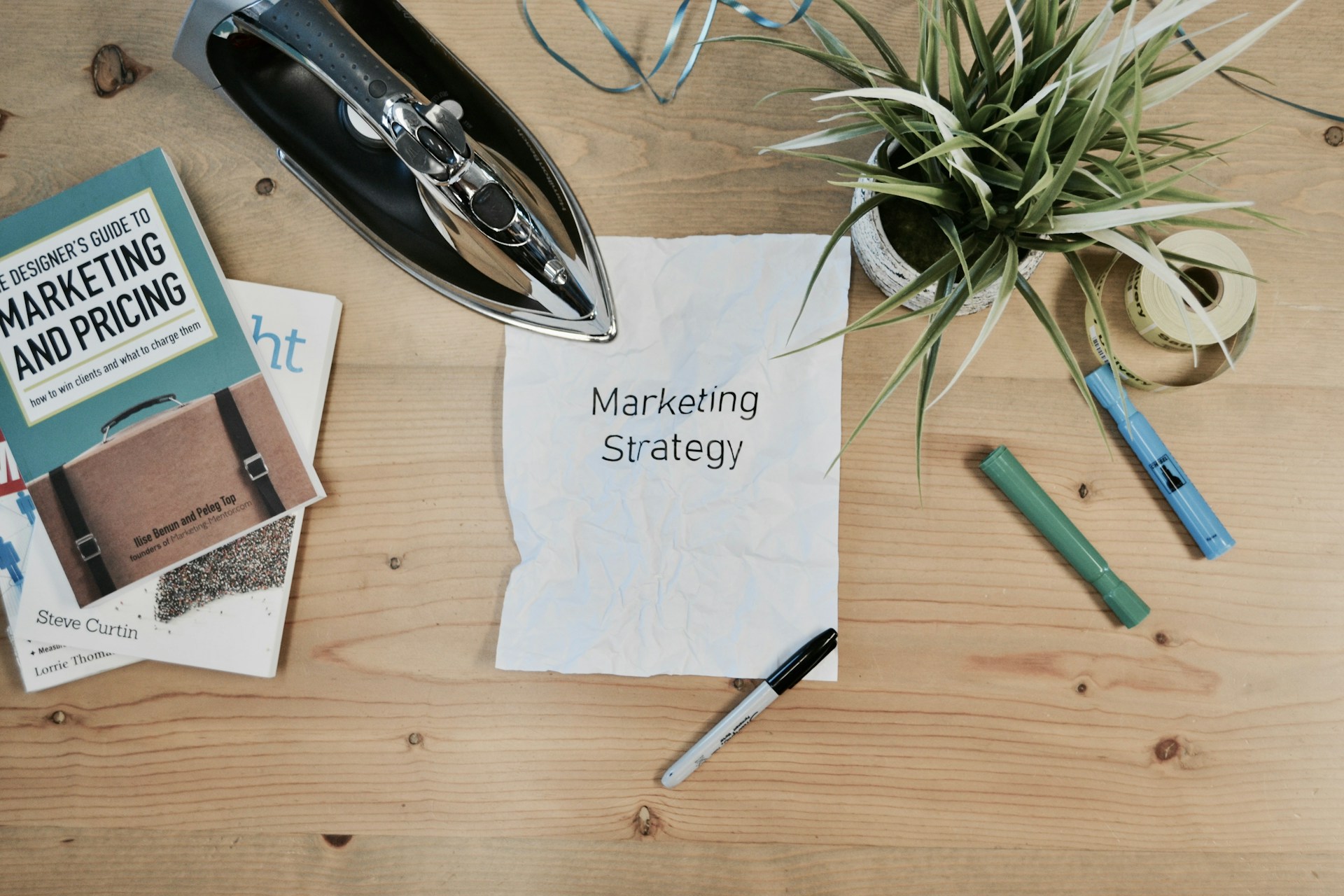
Economic caution is no longer a background concern for business owners — it’s a direct operational challenge affecting pricing, planning, and growth strategy across nearly every sector. Whether you’re managing rising input costs, watching customers become more deliberate before they buy, or trying to reach out-of-area investors for a real estate deal, a more careful and diversified approach to how you run and market your business pays off.
The Business Reality Behind the Headlines
It’s easy to read cost pressure and market caution as an abstract economic story. The practical consequences for business owners are anything but. Rising input costs compress margins and force hard calls on pricing, sourcing, and where to spend limited attention. Businesses that source materials, manage inventory, or plan any kind of capital investment feel this first — but few industries are entirely insulated when caution is this widespread.
How Rising Costs Are Changing the Way Businesses Operate
Higher Costs and Margin Compression
When input costs rise, businesses face a familiar dilemma: absorb the increase and protect market share, or pass costs along and risk losing customers. Neither option is comfortable, and many businesses end up doing a difficult combination of both.
Supply Chain Friction
Longer lead times, more documentation, and the need to vet alternative suppliers create administrative burdens that consume time and resources. For smaller businesses without a dedicated operations team, this friction is particularly disruptive.
Delayed Investment and Reduced Confidence
Perhaps the most underappreciated consequence of a cautious economy is its effect on confidence. Capital projects get delayed. Expansion plans get shelved. Decisions that seemed straightforward twelve months ago get revisited. This hesitation compounds over time into a drag on growth that’s hard to quantify but very real.
Practical Strategies for Staying Resilient
Responding to a cautious market isn’t simply a matter of waiting it out. There are concrete steps a business can take now to protect its position.
Review Your Supply Chain and Pricing Structure
Audit your key inputs and identify where cost exposure is highest. Explore whether alternative suppliers can provide comparable quality at a lower total cost. Revisit your pricing model with a clear eye on margin, not just revenue.
Tighten Your Cost Structure Without Cutting Corners
Renegotiate vendor contracts before they auto-renew. Audit recurring subscriptions and services against what’s actually being used. The goal is protecting the parts of the business that drive revenue — marketing and customer service chief among them — by finding real savings elsewhere first.
Strengthen Customer Retention
Acquiring new customers is expensive under any conditions. When the market is cautious, retaining existing clients becomes even more critical. Invest in communication, service quality, and loyalty that reinforce the relationship. Customers who feel well-served are less likely to defect when a competitor offers a lower price out of short-term desperation.
Diversify Your Marketing Channels
This is where many businesses leave real resilience on the table. Over-reliance on social media advertising and paid digital channels is a vulnerability that a cautious market makes more visible. Ad platform algorithms shift. Costs-per-click rise and fall unpredictably. Audience targeting rules change. Businesses that have diversified their marketing mix — combining digital with print, direct mail, and relationship-based outreach — are better positioned to maintain visibility and pipeline.
Why Print and Direct Mail Deserve a Place in Your Strategy Right Now
When buyers are cautious and competition for attention is fierce, the marketing channels that create trust and permanence have a distinct advantage. A professionally printed brochure, a well-designed direct mail piece, or a premium property flyer on thick, professional card stock communicates a level of credibility that a social media ad simply can’t replicate.
Print marketing isn’t subject to algorithm volatility. It doesn’t get buried in a feed or blocked by an ad filter. It arrives physically, gets handled, and — when the design and quality are strong — gets kept. For B2B prospecting in particular, a targeted direct mail campaign can cut through inbox noise and reach decision-makers in a format they’re far less likely to ignore.
Mailing services that combine high-quality print with targeted distribution lists let a business reach specific geographies, industries, or customer profiles with precision — a level of intentionality that broad digital campaigns often can’t match, and one that becomes especially valuable when you’re trying to reach prospects who are cautious, selective, and doing their due diligence before committing.
Explore the range of print and marketing materials available from 360 Print Studio to see what fits your outreach goals.
A Note for Real Estate Brokers and Developers
Real estate has its own version of this story. Interest from relocating buyers and out-of-area investors stays strong even when the broader market is cautious — but people making a high-value decision from a distance need more than a digital ad to move forward. They need materials that establish credibility, convey professionalism, and stay in front of them through a longer decision cycle.
Why Out-of-Area Buyer Outreach Demands a Higher Standard
Buyers evaluating a property they can’t easily walk through — whether relocating for work or investing from another market — are doing serious due diligence at a distance. A premium printed brochure, delivered to a curated mailing list of qualified prospects, signals that the developer or broker behind it is serious, established, and worth their time. That impression is difficult to create with digital alone.
Direct Mail as a Complement to Digital Real Estate Marketing
Direct mail lets real estate professionals reach specific postal codes, buyer profiles, or demographic segments with a physical brand impression that outlasts a social scroll. Postcards announcing new listings, premium folder packages for high-value buyers, and branded outreach kits on thick, professional card stock all serve a purpose beyond information delivery — they build the kind of trust that motivates a phone call.
For relocation campaigns, out-of-area buyer outreach, and luxury property promotion, combining digital lead generation with a strong print follow-up sequence consistently outperforms either channel in isolation.
Browse the full selection of professionally printed materials at 360 Print Studio to find the right formats for your next campaign.
Stay Visible, Stay Competitive
A cautious economy isn’t a reason to pull back on marketing — it’s a reason to market more strategically. Businesses that maintain visibility, communicate clearly with their customers, and use every available channel effectively are the ones that come out of difficult periods with stronger market positions.
360 Print Studio works with businesses, agencies, real estate professionals, and B2B marketers across North America as a production and mailing partner — not just a print vendor. Whether you need a targeted direct mail campaign, premium property brochures, buyer outreach kits, or branded business collateral that reinforces your credibility, we’re here to help you stay in front of the right people at the right time.
Ready to build a more resilient marketing strategy? Visit 360printstudio.com/products to explore print and mailing solutions designed for businesses that are serious about staying visible and competitive.
Ready to order premium ?
Get instant pricing →Frequently Asked Questions
How does economic uncertainty affect small business marketing budgets?
When costs rise and demand gets harder to predict, marketing budgets come under scrutiny fast — often before other line items. That makes channels with a fixed, predictable cost and a track record of ROI more attractive than ones tied to volatile bidding and shifting algorithms.
Why does print marketing hold up well when budgets get cautious?
Print has a fixed cost per piece that doesn't move with an auction or an algorithm change. When digital ad costs spike unpredictably, a well-targeted print or direct mail campaign gives a business a cost it can actually plan around.
How can real estate professionals use print to reach relocating or out-of-area buyers?
Buyers relocating from elsewhere or evaluating a property from a distance can't attend an open house on a whim — a premium brochure or a direct mail piece that arrives at exactly the right moment does a lot of the trust-building a walkthrough normally would.
What's the advantage of direct mail for B2B prospecting when digital ad costs are rising?
Direct mail lets a business target specific companies, sectors, or geographic areas with a physical, branded message that bypasses algorithm volatility and inbox competition entirely. In a cautious market, a well-designed piece signals stability in a way a digital-only campaign often can't.
What print products does 360 Print Studio offer for business marketing campaigns?
Brochures, postcards, flyers, business cards, presentation folders, and more, on premium card stock with a range of finishes. Mailing services are also available to support targeted outreach campaigns.
How does print marketing help businesses when digital ad costs are rising?
Print provides a fixed, predictable cost structure that isn't subject to bidding wars or platform algorithm changes. When digital advertising gets more expensive or less effective, print and direct mail offer a reliable, high-visibility alternative with strong ROI for targeted campaigns.